All Categories
Featured
Actionable Conversion Insights to Minimize Customer Costs
Table of Contents
A minimum of one landscape image (1200x628), one square image (1200x1200), one logo design (1200x1200), one short heading (30 characters), one long heading (90 characters), and one description (90 characters). Offering the optimum variety of properties offers Google more combinations to test. Lead with your worth proposal or offer, not your brand name.

Usage high-contrast, easy images that read well at small sizes. Include a clear call to action in your descriptions. Test several deal angles: complimentary shipping, discount codes, urgency messaging, social evidence. Dynamic remarketing ads for ecommerce pull product images, titles, prices, and schedule directly from your Merchant Center feed. The quality of your feed straight determines the quality of your dynamic advertisements.
[target1:anchor_exact1]If an item goes out of stock, your feed should reflect that immediately, otherwise you are serving advertisements for products users can not buy. Dynamic remarketing paired with a well-maintained item feed is one of the most efficient ways to recover deserted carts.
Your remarketing imaginative ought to develop based on how long ago the user visited. This is your messaging cadence. Gentle recall. "Still thinking it over?" or merely showing the item they saw. No difficult sell. Highlight advantages, reviews, or differentiators. Remind them why your service or product is worth picking. Present time-limited deals, discount rate codes, or totally free shipping.
Final deal or a different angle entirely. If they have not converted by now, the window is closing. Executing this cadence requires several advertisement groups with different subscription periods and imaginative sets. It takes effort to establish and keep, however the performance distinction is significant compared to running the exact same advertisement to everyone for 30 days straight.
Scaling Digital Media Performance Within US
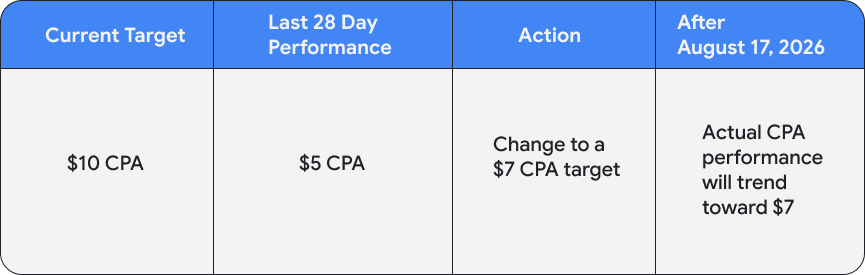
is the ideal choice for list building and service organizations where each conversion has roughly equivalent value. Set your target based on historical remarketing certified public accountant, not your blended account CPA, since remarketing generally converts at a lower cost. is ideal for ecommerce, where conversion worths vary. Set it based upon your real remarketing ROAS, which need to be higher than your prospecting ROAS considering that you are targeting warmer audiences.
Setting targets too strongly from the start will restrict delivery and prevent the project from getting traction. If your remarketing lists are too little to create 30 conversions per month, Target certified public accountant and Target ROAS will struggle. In this scenario, usage Make the most of Conversions (without a target) and even Manual CPC with boosted CPC made it possible for.
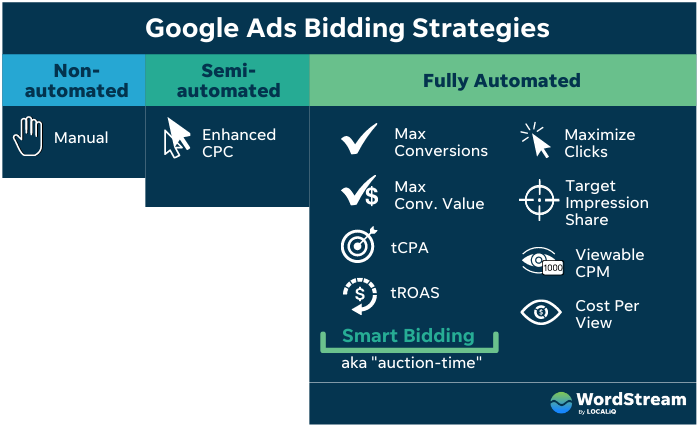
It is less effective than target-based techniques, however it gives the algorithm flexibility when data is limited. As your lists grow and conversion volume increases, transition to target-based bidding. This progression is something that requires ongoing tracking, adjusting the bidding strategy as list sizes and conversion volumes change week to week.
This is the most disputed metric in display screen advertising. The truthful response: view-through conversions have worth, however they are quickly inflated. A user who was going to convert anyhow might have passively seen your display screen advertisement in a sidebar. Counting that as a full conversion overstates display's contribution. Track view-through conversions separately.
Why Advanced Forecasting Boosts PPC Success
Shorten your view-through conversion window to 1 day (rather of the default 30) to lower noise. A user might click a remarketing advertisement, leave, come back through natural search, and then transform.
For remarketing specifically, think about whether a shorter window (7 to 14 days) provides you a more accurate photo of display's incremental impact. Utilize the Design Contrast tool in Google Ads to compare last-click attribution against data-driven attribution. If remarketing campaigns look significantly different under DDA, it recommends they are playing an assist function instead of a last-click function, which is valuable but should be accounted for in how you examine performance.
Remarketing is operationally requiring. Exemption lists need upgrading as new conversions come in. A company may examine your remarketing campaigns during their weekly check-in.
[target2:anchor_exact1]When AI representatives monitor your projects constantly and make real-time adjustments, the compounding effect on remarketing performance is significant., including your remarketing setup, audience lists, creative possessions, and attribution setup.

Latest Posts

Landing Page Design Tips for Modern Digital Growth
AI-Driven Modeling for 2026 Performance Growth
Essential Conversion Rate Optimization Strategies for Better Costs