All Categories
Featured
Table of Contents
Last Updated: Dec 15, 2025 Experimentation is the fastest path to scaling profitable Google Advertising campaigns for B2B SaaS. Yet most business invest either too little (losing cash on undetermined tests) or excessive (experimenting with modifications that don't move the needle). This guide breaks down precisely just how much budget to allocate to Google Advertisements experiments in 2026, when to run them, and what tests actually drive recurring pipeline and SQL.
Breaking down the allotment: 60% ($1,200-$3,000): Core campaigns with tested messaging 30% ($600-$1,500): Experiments on high-impact modifications (bidding, targeting, landing pages) 10% ($200-$500): Micro-tests on low-risk components (headings, descriptions) At lower budgets ($500-$1,000), you won't build up enough data to reach analytical significance within reasonable timeframes. Google's experiments platform requires adequate traffic volume to state winners with self-confidence.
Budget plan reallocation experiments (DSA to Performance Max) New market screening Bidding technique rotates AI automation rollouts Statistical significance needs adequate sample size. Without it, experiment results are unreliable. FactorImpactSolutionTraffic volumeLower traffic = longer experimentsAllocate 50%+ of budget to experiment for faster resultsConversion rateLower conversion rate = more time neededB2B SaaS (24% CR) requires longer than B2C (10%+ CR)Sales cycleLonger cycles = wait longer for signalUse leading signs (MQL, SQL) not simply conversionsEffect sizeSmaller improvements take longer to detect10% enhancement is easier to prove than 1% enhancement Utilizing Bayesian methodology (advised by Google): 95% (industry requirement) 80% (possibility of detecting real distinction) 3% (B2B SaaS average) 20% (0.6% outright) 528 conversions required per variation for analytical significance ScenarioTraffic NeededTimelineHigh-intent search with 5% CR10,560 clicks = $60,000 spend12 months with $3,000/ month budgetLower-intent display with 1% CR52,800 clicks = $150,000 spend5 months with $3,000/ month budgetRetargeting with 8% CR6,600 clicks = $15,000 spend5 weeks with $3,000/ month spending plan For B2B SaaS with longer sales cycles, use proxy metrics (MQL, SQL, qualified lead rates) instead of waiting for conversions.
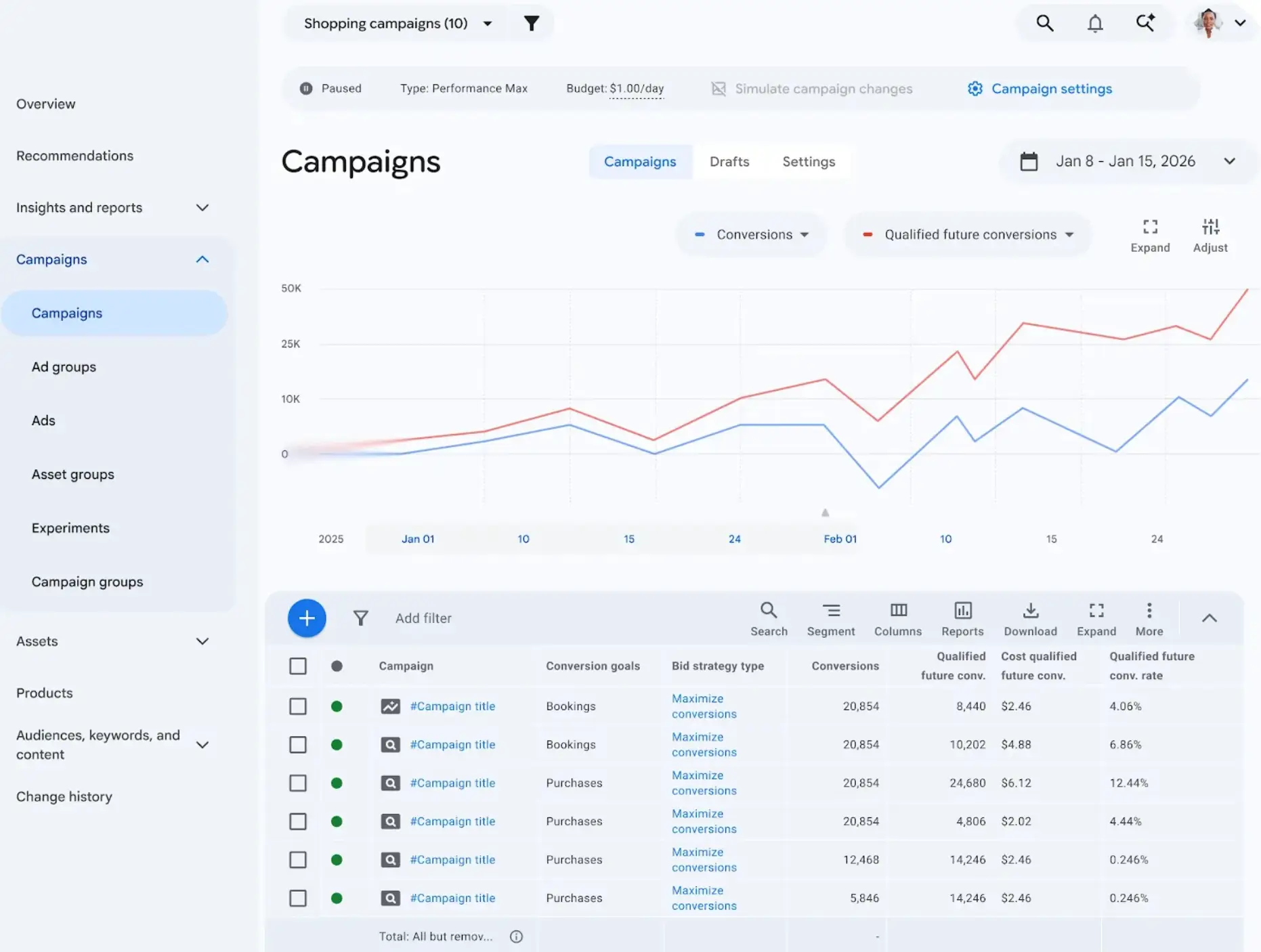
The minimum effective budget for Google Ads experiments in B2B SaaS is. Anything listed below this normally fails to gather adequate clicks or conversions to reach statistical significance, especially with longer sales cycles and lower conversion rates common in SaaS.
Google Advertisements experiments need enough volume to with confidence recognize winners. Without enough information, results are inconclusive and can lead to poor optimization choices. A tested structure for B2B SaaS in 2026 appear like this: on core, proven projects on high-impact experiments (bidding, targeting, landing pages) on low-risk tests (ad copy, match types, extensions) This balance ensures pipeline stability while still driving learning and scale.
Data-Driven PPC Optimizations to Support Market Dominance
The precise duration depends on traffic volume, conversion rate, and sales cycle length. High-intent search campaigns reach significance quicker, while screen and upper-funnel experiments need longer timelines. Rather of awaiting closed-won earnings, B2B SaaS groups ought to measure: MQL rate SQL rate Qualified lead conversion rate Expense per SQL These proxy metrics reach statistical significance quicker and supply earlier signals of pipeline effect.
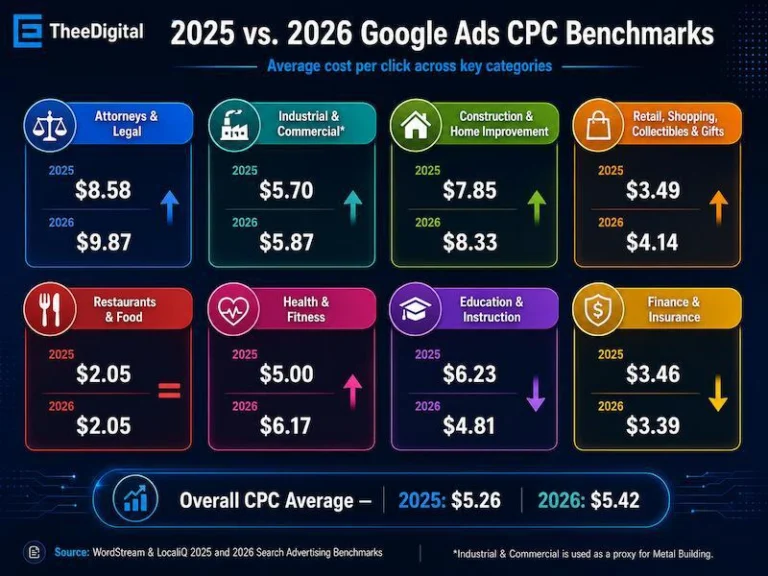
Consistent experimentation on bidding techniques, audience signals, and landing pages helps B2B SaaS companies improve lead quality, decrease CAC, and create a predictable flow of SQLs rather than one-off wins. For many B2B SaaS business with a 3% conversion rate, are needed to confidently discover meaningful enhancements. This is why correct spending plan allowance is crucial for trustworthy experiment results.
Early-stage SaaS business benefit the most from experimentation due to the fact that it helps recognize winning messaging and ICP signals early. The key is concentrating on instead of spreading budget plan thin across too lots of ideas. High-impact experiments in 2026 include: Smart bidding vs manual bidding tests Performance Max vs Browse spending plan allocation Audience expansion utilizing first-party data Landing page personalization for ICP segments These experiments directly influence pipeline quality and scalability.

Their group uses a free 30-minute call consultation to analyze your current performance and recognize immediate optimization opportunities. Turning Clicks into Pipeline for B2B SaaS.
Form Optimization ServicesBoosting Conversion Rates Via Strategic Landing Page Experiences
Google Display remarketing is the practice of showing targeted screen ads to individuals who have currently visited your site, utilized your app, or communicated with your brand, bringing them back to complete a conversion they previously abandoned. In 2026, it stays one of the highest-ROI strategies offered in Google Ads since it focuses your budget plan specifically on warm audiences rather than cold traffic.
If you are running Google Advertisements and not running screen remarketing, you are leaving conversions on the table each and every single day. Google Ads remarketing targets users who have currently demonstrated interest in your business. They went to a product page. They included something to a cart. They checked out 3 blog site posts.

Latest Posts
AI-Driven Analytics for 2026 Paid Growth
Creative Automation: The Secret Sauce of Top Advertisers
Optimizing Growth Marketing Across US Markets