All Categories
Featured

Leveraging Predictive Modeling for High-Conversion Paid Media
Table of Contents
Isolated elements get attention. Personalisation can be based on:, Program the search term in the heading, "Landing Page Agency in London" vs generic, Various messaging for social vs search vs email, Dynamic content obstructs targeting specific verticals, Acknowledge returning traffic with updated CTAs You do not need complex personalisation technology to start.
Exit-intent pop-ups appear when the visitor's cursor approaches the web browser's close button. They are a last-chance conversion opportunity for visitors who will leave. Efficient exit pop-ups: Deal something various from the primary page CTA (a lower-commitment deal) Use strong, benefit-driven headings Keep the kind to 1-2 fields optimal Consist of a clear "No thanks" alternative, forced engagement backfires When done well, exit pop-ups recuperate 3-5% of otherwise-lost visitors.
Use a structured structure: 1 Collect Heatmaps, analytics session recordings WHERE do they drop? 3 Prioritise Legendary framework impact confidence ease WHAT to test? 4 Test One variable at a time 95% confidence minimum RUN the experiment 5 File Record wins + losses Build knowledge base LEARN & repeat A structured A/B screening procedure, test with objective, not instinct.
"Users are bouncing because the heading does not match the advertisement copy" is a hypothesis. "Let's attempt a blue button" is a guess. Rating each test across these four measurements to focus on the highest-ROI experiments.
Wait for analytical significance (generally 95% confidence with at least 100 conversions per variation). In our experience, the highest-impact tests are (in order): heading copy, CTA text, form length, social proof positioning, and above-fold layout.

Optimizing Ads Strategies for US Markets
You can't optimise what you do not measure. At minimum, track these metrics: MetricWhat It Informs YouTarget Conversion RatePercentage of visitors who complete the goalIndustry typical or above Bounce RateVisitors who leave without interactingBelow 60% for landing pages Time on PageEngagement level with your content30+ seconds for lead gen pages Scroll DepthHow far visitors read60%+ reaching CTA Kind AbandonmentVisitors who begin but do not complete the formBelow 40% Cost Per ConversionAd spend performance for PPC pagesBelow your target CPA/ROAS Set up conversion tracking in Google Analytics, Google Advertisements, and your landing page platform before launching any optimisation work.
At Apexure, we use a structured structure for each conversion optimisation project. We call it the because uncertain messaging is the root cause of the majority of conversion failures. 1 Diagnose Heatmaps & session information 2 Clarify Value prop & headline reword 3 Trust Social proof & reliability signals 4 Simplify Eliminate friction & shorten forms 5 Test A/B test, step & iterate The Clarity-First CRO Structure, address clearness before evaluating to prevent losing time on undetermined experiments.
Reword the value proposal, headline, and CTA to get rid of uncertainty. Apply the 5-second clearness test. Add or reposition social proof, trust badges, and trustworthiness signals near choice points.
How to Scale Paid Growth Through Landing Pages
Visitors were confused, a timeless Stage 1 clarity failure. We upgraded the page with a hero section video introduction that pre-qualified visitors, added a 60-day money-back assurance, contrast table, Frequently asked question area, and clear "Set up a 15-Minute Call" CTA.
A high conversion rate on unqualified leads wastes sales team time. A page that looks ideal on your MacBook may be unusable on a phone.
Their page may look successful but you don't understand their conversion rate. Adding tracking scripts, chat widgets, and animations without measuring their effect on load time and conversions. The median landing page conversion rate across industries is roughly 2.5-3.5%.

Latest Posts

Landing Page Design Tips for Modern Digital Growth
AI-Driven Modeling for 2026 Performance Growth
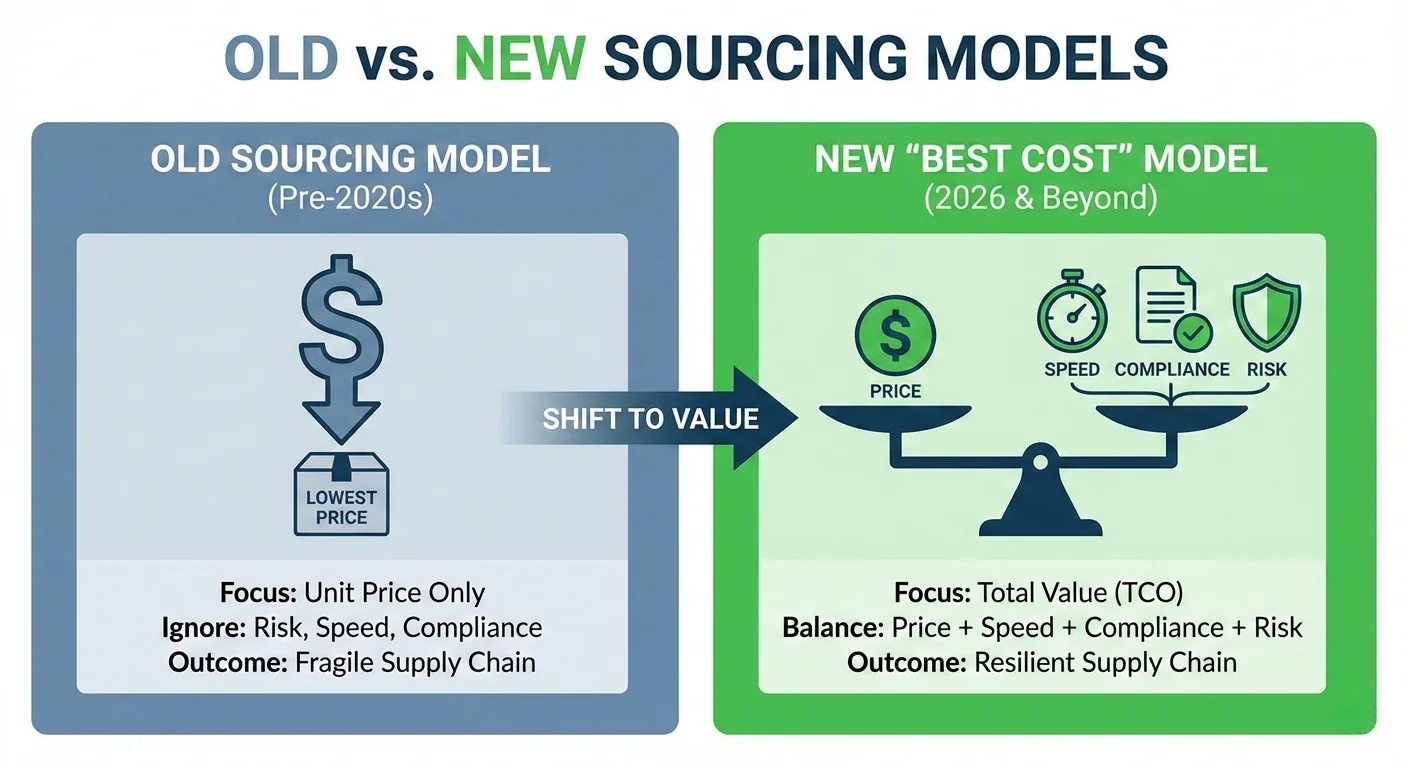
Essential Conversion Rate Optimization Strategies for Better Costs